Wood Decay Removal in Kansas City, MO
Wood decay removal services focus on identifying and eliminating areas of compromised wood caused by rot, fungi, or insect damage. This service is commonly requested for projects involving decks, fences, porches, window frames, and other wooden structures that show signs of deterioration. Property owners usually want to understand the extent of the damage, the methods used to remove decayed wood, and the steps involved in restoring or replacing affected areas to ensure the structural integrity and appearance of their property.
Before requesting wood decay removal, homeowners typically seek information about how the process will be carried out, what materials or treatments will be used, and how long the repairs might take. It’s important to consider the condition of surrounding wood and whether additional preventative measures, such as sealing or applying protective coatings, are recommended to prevent future decay. Proper assessment and treatment can help extend the lifespan of wooden features and maintain the safety and value of the property.
Many property owners in Kansas City, MO look into Wood Decay Removal for repairs, replacements, upgrades, and appearance-related improvements.
Signs Of Wood Decay
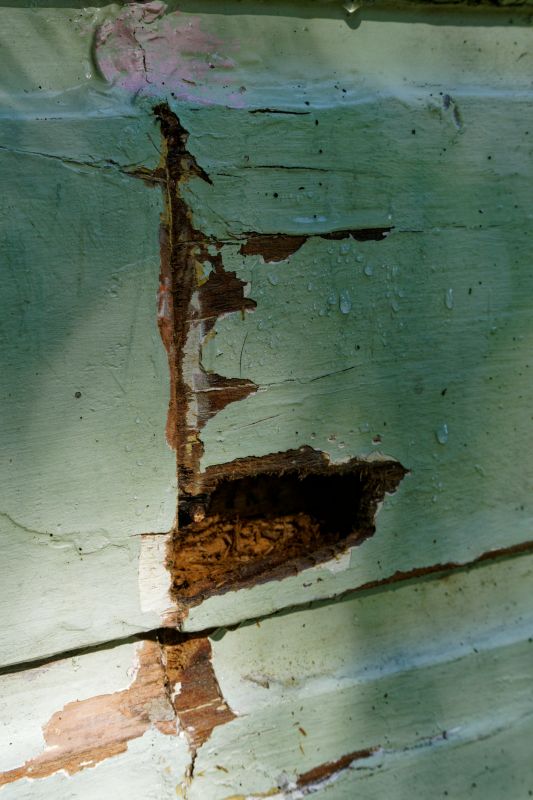
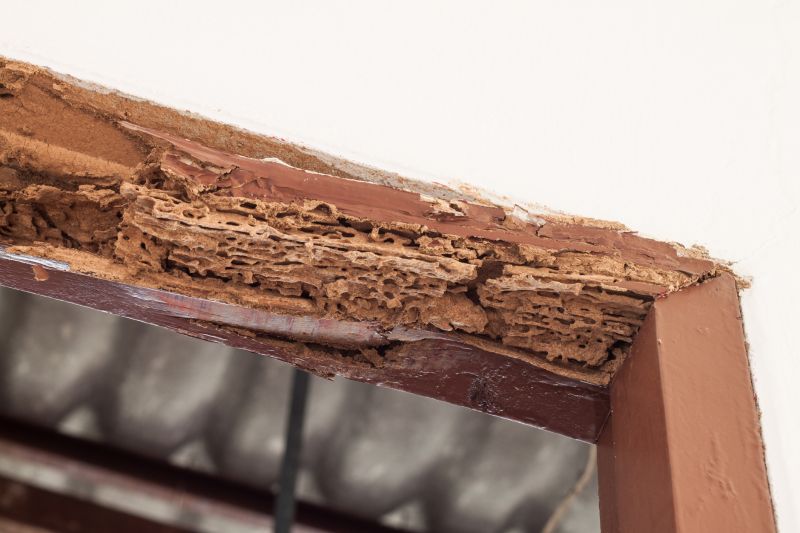
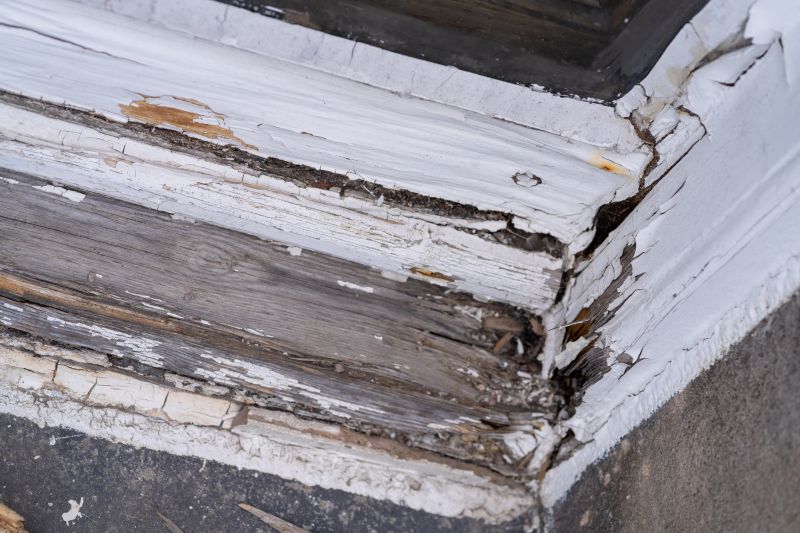
Visible rot, soft spots, and mold indicate potential wood decay issues in your property.
Common Affected Areas
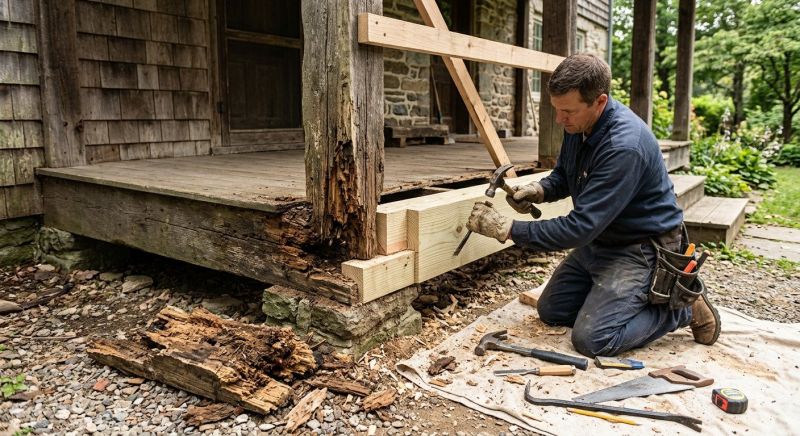
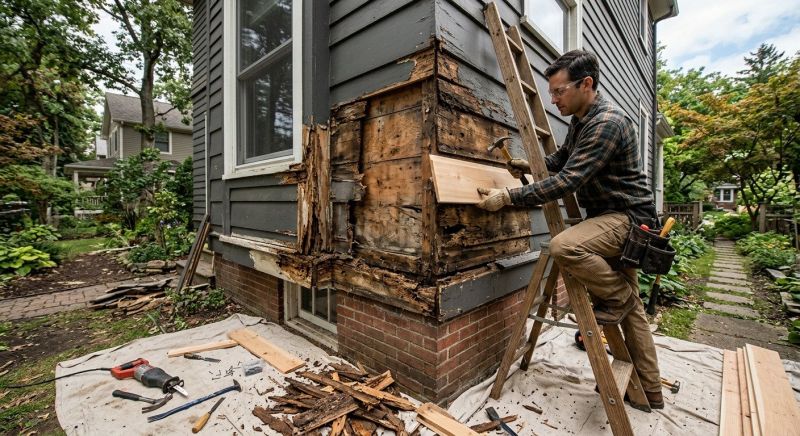
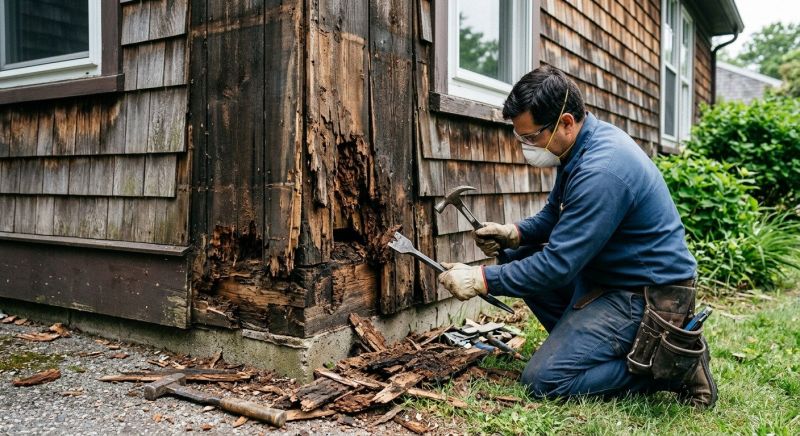
Decayed wood often occurs in decks, fences, siding, and structural beams around kansas city homes.
Restoration Solutions
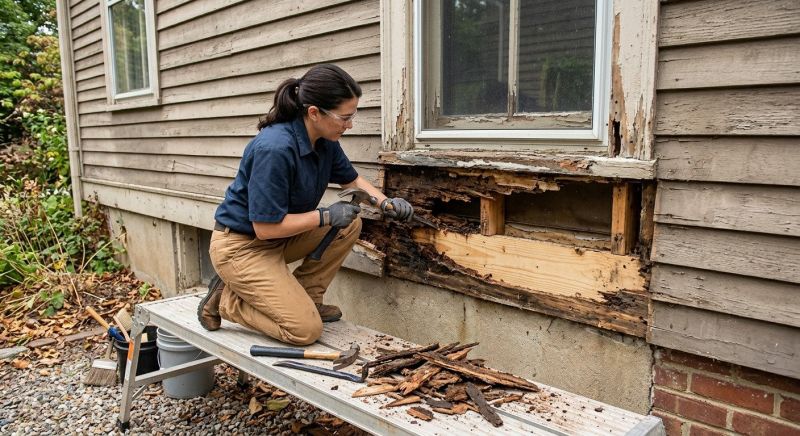
Professional removal and treatment help restore the integrity and appearance of affected wood surfaces.
Wood Decay Removal in Kansas City, MO

Wood decay removal services focus on identifying and eliminating areas of compromised wood caused by rot, fungi, or insect damage. This service is commonly requested for projects involving decks, fences, porches, window frames, and other wooden structures that show signs of deterioration. Property owners usually want to understand the extent of the damage, the methods used to remove decayed wood, and the steps involved in restoring or replacing affected areas to ensure the structural integrity and appearance of their property.
Before requesting wood decay removal, homeowners typically seek information about how the process will be carried out, what materials or treatments will be used, and how long the repairs might take. It’s important to consider the condition of surrounding wood and whether additional preventative measures, such as sealing or applying protective coatings, are recommended to prevent future decay. Proper assessment and treatment can help extend the lifespan of wooden features and maintain the safety and value of the property.
Many property owners in Kansas City, MO look into Wood Decay Removal for repairs, replacements, upgrades, and appearance-related improvements.
Common Wood Decay Removal Jobs
Wood Decay Removal - removes rotted and decayed wood to prevent further damage.
Fungal and Mold Treatment - eliminates fungi and mold that cause wood deterioration.
Structural Repair - restores compromised wood to maintain building integrity.
Surface Treatment - applies protective coatings to extend the life of wood surfaces.
Inspection Services - assesses the extent of wood decay and identifies problem areas.
Preventative Solutions - implements measures to reduce future wood decay risks.
Wood Decay Removal Questions
What causes wood decay in properties? Wood decay is typically caused by moisture exposure, which promotes fungal growth and weakens the wood structure.
How can wood decay be identified? Signs include soft or spongy wood, discoloration, and visible mold or fungi on the surface.
Is removal necessary for all types of wood decay? Removal is recommended whenever decay compromises the integrity of the wood or nearby structures.
What are common areas affected by wood decay? Commonly affected areas include decks, fences, siding, and window or door frames.
Request Wood Decay Removal in Kansas City, MO
Use the quote form on this page to share the basics of your project and request more information for the type of work you need.